Physical AI Robots Are Here and the IT Industry Will Never Look the Same Again



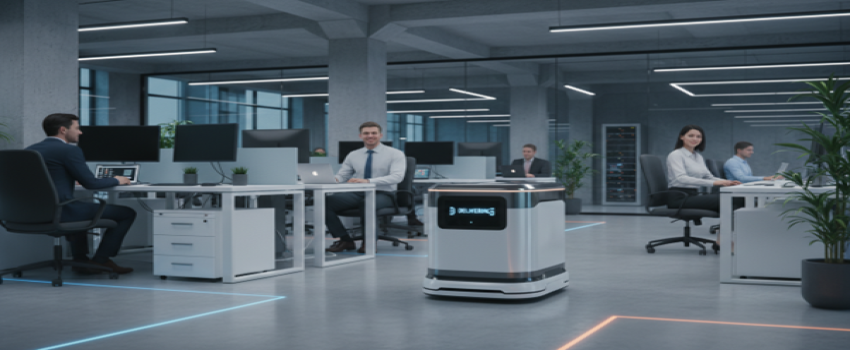
Physical AI robots are rapidly transforming the landscape of modern technology. These advanced machines are stepping out of controlled labs and into complex workspaces. Today, they are ready to tackle unpredictable challenges in real time.
The integration of artificial intelligence with physical hardware is a massive leap forward. It allows machines to understand, adapt, and interact with their surroundings smoothly. This shift is especially crucial for IT professionals looking to scale their daily operations.
In the past, robots could only perform repetitive tasks in highly structured settings. Now, they are learning to navigate dynamic real-world environments with incredible precision. This evolution is changing how the IT sector handles infrastructure, security, and maintenance.
What Are Physical AI Robots?
Physical AI robots are intelligent machines designed to operate in the physical world. Unlike traditional software AI that lives entirely on screens, these systems have physical bodies. They use sensors, cameras, and actuators to interact with their environment.
These machines rely on vast amounts of data to make split-second decisions. They can see obstacles, hear commands, and feel the weight of objects they lift. This multi-sensory approach makes them incredibly versatile for business applications.
By combining mechanical engineering with advanced software, these tools bridge the gap between digital and physical realms. They are the driving force behind modern IT sector automation initiatives. Companies are deploying them to handle tasks that are too dangerous, tedious, or complex for humans.
Why Physical AI Robots Matter for the IT Sector
Physical AI robots are fundamentally changing how IT infrastructure is managed. As technology companies grow, the physical footprint of their servers and hardware expands rapidly. Managing this massive scale requires more than just human effort.
These intelligent machines provide a scalable solution to hardware management. They operate 24/7 without fatigue, ensuring that critical systems remain online. This level of reliability is essential for cloud providers and large-scale enterprises.
Furthermore, they significantly reduce operational costs over time. By automating routine physical tasks, IT teams can focus on strategic software development and network architecture. To learn more about optimizing your team's workflow, check out our IT automation trends guide.
The Role of Spatial Intelligence
To function effectively, machines must understand the space around them. This is where spatial intelligence becomes a critical factor in robotics. It allows a machine to map a room, recognize objects, and plan safe movement paths.
Without spatial intelligence, a robot would constantly bump into servers or humans. By using LiDAR, 3D cameras, and ultrasonic sensors, they build real-time maps of their surroundings. They can instantly adapt if a box is dropped in their path or if a person walks by.
This capability is what allows them to survive in dynamic real-world environments. They do not need a pre-programmed track to follow. Instead, they think on their feet and adjust their routes dynamically.
Advancements in Machine Learning in Robotics
The brain behind these physical machines is powered by complex algorithms. Machine learning in robotics allows these systems to improve their performance over time. Every task they complete teaches them how to do it better the next time.
For example, a robotic arm might struggle to grip a new type of server blade at first. Through trial and error, the machine learning model adjusts the grip strength and angle. Within minutes, the robot masters the new task without human intervention.
This continuous learning cycle is heavily supported by leading tech giants. Organizations are investing billions into NVIDIA robotics research to push these boundaries further. The faster these machines learn, the more valuable they become to IT departments.
7 Powerful Applications in IT Sector Automation
The theoretical benefits of these machines are impressive, but their real-world uses are even better. IT sector automation is seeing a massive boost from these smart devices. Here are seven powerful ways they are being used today.
1. Smart Data Center Management
Data centers are the beating heart of the global internet. Keeping them running requires strict temperature control, cable management, and constant oversight. Physical AI robots are now patrolling these massive facilities.
They use thermal imaging cameras to detect overheating servers instantly. If a cooling fan fails, the robot flags the exact location to the IT staff. This prevents catastrophic hardware meltdowns and expensive service outages.
Additionally, they can map out optimal airflow patterns within the facility. By analyzing this data, companies can adjust their HVAC systems to save millions on electricity. It is a perfect blend of digital analytics and physical action.
2. Hardware Maintenance and Repair
Swapping out broken hard drives or upgrading memory used to require a human technician. Today, specialized robotic arms can perform these delicate tasks. They are precise enough to handle fragile microchips without causing damage.
These machines can navigate tight server aisles and locate the exact unit needing repair. They remove the faulty component, insert the new one, and update the inventory system automatically. This drastically reduces the time it takes to resolve hardware tickets.
Human technicians are now acting as supervisors rather than manual laborers. They monitor the robots through dashboards and step in only for highly complex issues. This shift greatly improves overall workplace efficiency.
3. Enhanced Security Monitoring
Physical security is just as important as cybersecurity for IT firms. Protecting sensitive data centers from unauthorized access is a top priority. Autonomous security robots are taking over this crucial responsibility.
These units patrol the perimeters and hallways of IT facilities around the clock. Equipped with facial recognition and night vision, they can identify intruders instantly. If they spot an unauthorized person, they alert human guards and record the incident.
They also detect environmental hazards like smoke, water leaks, or chemical spills. By catching these issues early, they protect millions of dollar’s worth of computing equipment from destruction.
4. Automated Inventory Tracking
Keeping track of cables, spare parts, and new hardware shipments is a massive headache. Manual inventory counts are slow and prone to human error. Smart robots are streamlining this entire process.
Using RFID scanners and computer vision, they roam storage rooms to count stock. They instantly cross-reference the physical items with the digital database. If a specific type of networking cable is running low, the system automatically orders more.
• Faster Audits: Inventory checks that took days now take hours.
• Higher Accuracy: Machine vision eliminates miscounts and lost items.
• Better Budgeting: Accurate data prevents over-ordering of expensive parts.
5. Edge Computing Deployment
Edge computing brings processing power closer to the end-user. However, setting up micro-data centers in remote locations is logistically difficult. Robots are now being used to deploy and maintain these remote sites.
Ruggedized machines can travel to harsh environments where human access is limited. They can install sensors, connect wiring, and boot up edge servers independently. This allows IT companies to expand their networks faster than ever before.
Because these sites are often unmanned, the robots stay behind to perform ongoing maintenance. They ensure that the edge network remains stable, even in extreme weather conditions.
6. Infrastructure Inspections
Large IT campuses and telecommunications networks require miles of physical cabling. Inspecting these cables for wear and tear is a tedious job. Small, agile robots are perfectly suited for this task.
Drone units can fly up to inspect cell towers and outdoor networking equipment. Meanwhile, micro-crawlers can travel through narrow ventilation shafts and cable trays. They look for frayed wires, pest damage, or structural weaknesses.
This proactive approach to maintenance prevents sudden network drops. By utilizing machine learning in robotics, these inspectors get better at spotting microscopic cracks over time. For more on how AI learns, read our machine learning guide.
7. Collaborative Workspaces
Not all robots are designed to work alone in dark server rooms. Many are built to work directly alongside human IT professionals. These "cobots" (collaborative robots) are changing the office dynamic.
A cobot might help a technician lift a heavy server rack into place. It might fetch specific tools from the supply room while the human focuses on the installation. They are designed with safety sensors to ensure they never harm their human partners.
This collaboration boosts morale and reduces physical strain on employees. It creates a safer, more productive environment where humans and machines play to their respective strengths.
The Future of Autonomous Robotic Systems
The rapid advancement of autonomous robotic systems shows no signs of slowing down. As processing power increases, these machines will become even more intuitive and capable. We are just scratching the surface of what is possible.
In the near future, we will see swarms of robots working together seamlessly. They will communicate with each other over 5G networks to coordinate complex IT deployments. If one robot encounters a problem, the entire swarm will learn from the experience instantly.
Furthermore, improvements in battery technology will allow them to operate for days without charging. They will become completely self-sufficient, managing their own power needs and maintenance schedules. Industry experts at IEEE robotics publications predict this autonomy will redefine the tech workforce.
Ultimately, these machines will master navigating dynamic real-world environments with zero human input. They will anticipate IT failures before they happen and fix them silently in the background. The IT department of the future will be heavily augmented by these tireless digital workers.
Conclusion
The era of manual hardware management is slowly coming to an end. Physical AI robots are stepping up to take on the heavy lifting, both literally and figuratively. They are bringing unprecedented efficiency, safety, and scalability to the IT sector.
From smart data centers to remote edge computing sites, their impact is undeniable. By leveraging spatial intelligence and machine learning, they adapt to challenges instantly. They are no longer just tools; they are active partners in technological growth.
Embracing physical AI robots is essential for any IT organization that wants to stay competitive. The companies that adopt this technology today will build the resilient, automated infrastructures of tomorrow. Now is the time to welcome our new robotic colleagues into the workspace.

Nexevo Technologies is a Professional web designing and web development company bangalore, which is offers a full facility for designing a website at a reasonable price. We are award-winning web design and digital marketing company working since 2012.
Share with





 Call
Call Whatsapp