Scientists Are Building a Computer That Thinks Like You



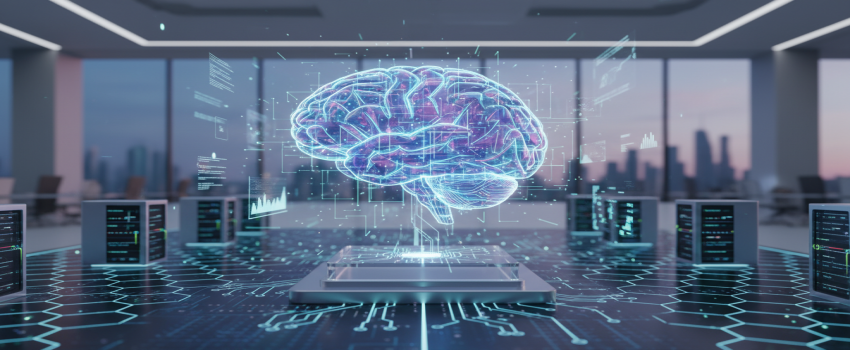
Brain-inspired computing is the ultimate solution to our modern energy crisis in tech. Your brain is the most energy-efficient computer ever built. Science is finally starting to copy it.
Today, data centers consume massive amounts of electricity. Training modern artificial intelligence requires megawatts of power. However, the human brain runs on just 20 watts.
That is roughly the power of a single dim lightbulb. The IT sector is taking notice of this incredible fact. We desperately need a better way to process data.
Traditional computer chips are reaching their physical limits. They generate too much heat and waste too much energy. This is where brain-inspired computing comes in to save the day.
What Is Brain-Inspired Computing?
Brain-inspired computing is a revolutionary approach to hardware design. It attempts to mimic the exact physical structure of the human nervous system. Instead of separating memory and processing, it combines them.
In a standard computer, data constantly moves back and forth. This movement is what drains battery life and creates heat. Biological brains do not work this way at all.
Neurons and synapses process and store information in the exact same location. This is the secret to biological brain efficiency. By copying this structure, engineers can build chips that are incredibly fast.
These new architectures are fundamentally different from traditional silicon chips. They use a network of artificial neurons to handle complex tasks. This allows them to learn and adapt naturally.
The Energy Crisis in Traditional IT
The IT sector faces a massive sustainability problem. Cloud computing and big data demand massive server farms. These facilities require vast amounts of electricity just to stay cool.
As machine learning grows, this power demand skyrockets. If we continue using standard chips, the energy costs will become completely unsustainable. We need a radical shift in technology.
This is why sustainable IT strategies are becoming a top priority for tech companies. We cannot simply build bigger power plants. We must build smarter, greener hardware.
7 Powerful Ways Brain-Inspired Computing Changes IT
The shift toward mimicking the brain is not just a scientific experiment. It is a practical business strategy. Here are seven powerful ways this technology is transforming the IT industry.
1. Massive Reductions in Power Consumption
The most obvious benefit of brain-inspired computing is energy savings. Traditional chips draw power continuously, even when idle. Brain-like chips only consume power when an artificial neuron "fires."
This event-driven processing saves a staggering amount of electricity. It allows devices to run for months on a single battery charge. For enterprise data centers, this means drastically lower utility bills.
IT leaders are constantly looking for ways to cut operational costs. Adopting this technology offers a direct path to massive financial savings.
2. The Rise of Neuromorphic Engineering
To copy the brain, scientists created a entirely new field of study. Neuromorphic engineering focuses on translating biology into silicon. It bridges the gap between neuroscience and computer science.
Major tech giants are investing heavily in neuromorphic engineering. They are designing chips that physically look and act like organic neural tissue. This requires completely new manufacturing techniques.
You can see this innovation in IBM's research on neuromorphic chips. Their TrueNorth chip was an early pioneer in this space. It proved that mimicking the brain is possible in commercial IT.
3. Better Energy-Efficient AI Hardware
Artificial intelligence is everywhere today. However, running AI models on standard graphics cards is incredibly inefficient. We desperately need energy-efficient AI hardware to scale these technologies.
Brain-inspired computing provides exactly that. It allows AI to run locally on small devices, rather than relying on the cloud. This is known as edge computing.
With energy-efficient AI hardware, your smartphone can process complex voice commands natively. It does not need to send data to a remote server. This improves both speed and user privacy.
4. Real-Time Processing with Neural Networks
Modern software relies heavily on artificial neural networks to recognize patterns. Traditional computers simulate these networks using complex math. This simulation is slow and resource-heavy.
Brain-inspired chips do not simulate artificial neural networks. They run them natively on the hardware itself. This physical alignment makes processing virtually instantaneous.
For applications like self-driving cars, real-time processing is a matter of life and death. The vehicle must recognize a pedestrian instantly. Native neural hardware makes this split-second reaction possible.
5. Advanced Cognitive Computing Systems
Standard computers follow rigid, pre-programmed rules. They are terrible at handling ambiguity or incomplete data. Human brains, however, excel at making educated guesses.
Brain-inspired computing enables true cognitive computing systems. These systems learn from their environment over time. They adapt to new information without needing a software update.
In the IT sector, cognitive computing systems can predict server failures before they happen. They can analyze network traffic to detect new cybersecurity threats automatically. They act as an intelligent immune system for enterprise networks.
6. True Parallel Processing
Your brain does a million things at once. It regulates your breathing, processes vision, and understands language simultaneously. Standard computers usually do things one by one, very quickly.
Brain-inspired computing uses true parallel processing. Millions of artificial neurons work on different parts of a problem at the exact same time. This drastically reduces the time needed to solve complex equations.
This biological brain efficiency is perfect for big data analytics. IT departments can process massive datasets in a fraction of the time. This leads to faster business insights and better decision-making.
7. Solving the Von Neumann Bottleneck
Almost all modern computers use the Von Neumann architecture. This design separates the CPU from the memory storage. Moving data between these two components creates a massive traffic jam.
This traffic jam is called the Von Neumann bottleneck. It is the primary reason computers are slow and power-hungry. Brain-inspired computing completely eliminates this bottleneck.
By merging memory and logic into single artificial synapses, data never has to travel. This fundamental design change is the biggest revolution in hardware since the microchip. It changes everything about how we build computers.
How the IT Sector Can Prepare for Brain-Inspired Computing
The transition to this new hardware will not happen overnight. However, IT professionals need to start preparing today. The software of tomorrow will look very different.
Developers will need to learn how to write code for event-driven architectures. Traditional linear programming will not work on neuromorphic chips. Training programs must adapt to teach these new paradigms.
Furthermore, IT infrastructure managers should evaluate their hardware lifecycles. When upgrading data centers, they should look for energy-efficient AI hardware options. Staying ahead of this curve will provide a massive competitive advantage.
We are already seeing breakthroughs in recent studies published in Nature. These academic milestones quickly become commercial products. The IT sector must be ready to integrate them.
Companies should also explore the future of machine learning frameworks. Tools like TensorFlow and PyTorch are already adapting to support neuromorphic hardware. Familiarity with these tools is essential.
Conclusion
The future of technology relies on looking backward at biology. Brain-inspired computing offers a clear path out of our current hardware limitations. It provides the speed we need without destroying the power grid.
By embracing neuromorphic engineering and cognitive computing systems, the IT sector can continue to innovate. We can build smarter devices, safer autonomous vehicles, and greener data centers.
Your brain is the most energy-efficient computer ever built. It is time our technology finally caught up to nature. The biological revolution in IT has officially begun.

Nexevo Technologies is a Professional web designing and web development company bangalore, which is offers a full facility for designing a website at a reasonable price. We are award-winning web design and digital marketing company working since 2012.
Share with





 Call
Call Whatsapp