Scientists Just Turned Dirt Into Electricity — And It Never Needs Charging



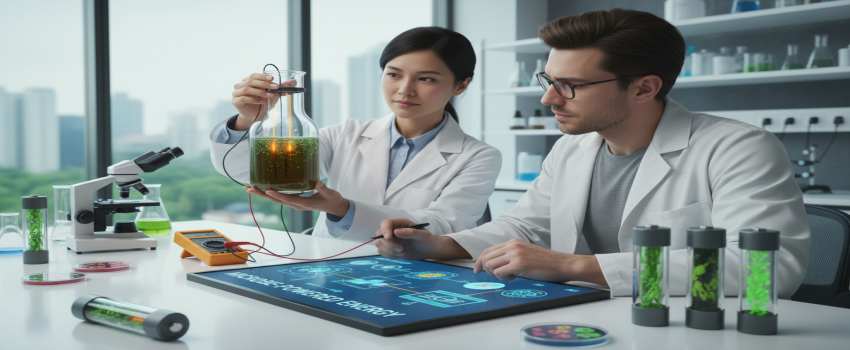
Soil microbial fuel cell technology is officially changing the way we think about electricity. Imagine a battery that never needs to be plugged into a wall. Scientists have finally made this incredible concept a reality.
This breakthrough uses common dirt and natural bacteria to generate endless power. It is a massive win for the global IT sector. We can now power small tech devices without relying on traditional lithium-ion batteries.
For years, tech companies have struggled with powering remote sensors. Traditional batteries die, leak, and eventually end up in landfills. This new innovation solves those major hardware problems.
In this guide, we will explore exactly how this technology works. We will look at why it is a game-changer for the internet of things (IoT). Get ready to learn about the future of sustainable tech.
What Is a Soil Microbial Fuel Cell?
A soil microbial fuel cell is a device that captures electricity from bacteria in the earth. It harnesses the natural energy created when microbes break down organic matter. Think of it as a living power plant.
These devices do not require sunlight like solar panels. They also do not need wind to generate power. As long as the soil contains organic material, the cell continues to produce energy.
This makes the technology incredibly reliable for constant use. It operates quietly underground, completely out of sight. For tech professionals, this opens up a world of new hardware possibilities.
You might wonder how much power a soil microbial fuel cell can actually produce. Currently, the energy output is relatively small. However, it is perfectly suited for low-power IT applications.
Devices like microchips, environmental trackers, and digital transmitters require very little electricity. This makes them ideal candidates for this new energy source. The IT sector is already taking notice of this potential.
How Microbe-Powered Battery Technology Works
Understanding microbe-powered battery technology is easier than you might think. The system relies on two main parts: an anode and a cathode. These parts work together to capture loose electrons.
First, scientists bury the anode deep in the dirt. This area is completely free of oxygen. Here, special bacteria consume organic waste and release tiny electrons.
Next, the cathode sits near the surface of the earth. This part is exposed to oxygen from the air above. The electrons naturally flow from the buried anode up to the surface cathode.
This upward flow of electrons is what creates an electrical current. As long as the bacteria keep eating, the current keeps flowing. It is a brilliant example of nature powering technology.
Recent advances in microbe-powered battery technology have made these devices much smaller. Engineers have designed versions that are the size of a standard paperback book. Some experimental models are even smaller.
These compact designs are crucial for the IT industry. Tech companies need small, scalable solutions for their hardware. Large, bulky generators simply do not work for modern smart networks.
5 Reasons the IT Sector Needs This Tech
The information technology sector is expanding rapidly into physical spaces. Smart cities, automated farms, and connected forests are becoming common. All of this infrastructure requires reliable power.
Traditional energy grids cannot reach every remote location. This is where a soil microbial fuel cell becomes incredibly valuable. Let us explore the top five reasons IT leaders are excited about this.
1. Sustainable Power for IoT
The demand for sustainable power for IoT is at an all-time high. The Internet of Things relies on billions of tiny connected devices. Powering all of them is a massive logistical challenge.
Replacing batteries in thousands of remote sensors is expensive. It also requires an incredible amount of human labor. Sustainable power for IoT eliminates this ongoing maintenance cost entirely.
By using dirt to generate electricity, IoT networks can run indefinitely. A soil microbial fuel cell provides a steady trickle of power. This is exactly what smart sensors need to transmit data daily.
This shift will accelerate the deployment of smart infrastructure. Tech companies can install devices and simply forget about them. The natural environment handles all the power generation.
2. Zero Maintenance Design
One of the biggest selling points is the lack of moving parts. Because there are no mechanical gears, nothing can break down. The system is entirely biological and chemical.
This zero-maintenance design is highly attractive to network engineers. When deploying hardware in harsh environments, durability is key. These biological cells can withstand rain, snow, and extreme heat.
Furthermore, they are self-healing to a certain extent. If the bacteria population drops, it will naturally replenish itself when conditions improve. You can learn more about resilient network design in our guide to sustainable infrastructure.
3. Perfect for Soil-Based Microbial Sensors
Agriculture technology is a booming sub-sector of IT. Farmers now use soil-based microbial sensors to monitor crop health. These devices track moisture, acidity, and nutrient levels in the ground.
Traditionally, these sensors needed frequent battery replacements. Now, they can be powered by the very dirt they are monitoring. This creates a perfect, self-sustaining technological loop.
Using soil-based microbial sensors helps farmers increase their crop yields. It also reduces the need for harmful chemical fertilizers. The data collected is sent directly to cloud servers for instant analysis.
This continuous stream of data requires a continuous stream of power. A soil microbial fuel cell is the missing puzzle piece for smart agriculture. It bridges the gap between digital IT and natural farming.
4. Reducing Global E-Waste
The tech industry produces millions of tons of electronic waste every year. Dead batteries are a major part of this toxic problem. They leak harmful chemicals into our groundwater systems.
Adopting this biological technology can drastically reduce e-waste. When a biological cell reaches the end of its life, it is mostly harmless. The materials can safely degrade back into the earth.
IT hardware manufacturers are under pressure to adopt greener practices. Using organic power sources helps them meet strict environmental regulations. It also appeals to eco-conscious consumers and investors.
5. Advancing Green Tech Energy Solutions
The push for green tech energy solutions is transforming corporate IT strategies. Major tech giants are pledging to become carbon neutral. They need innovative ways to power their edge computing networks.
This biological breakthrough fits perfectly into that strategy. It provides a carbon-negative way to generate electricity. The bacteria actually consume carbon-based waste as they work.
Integrating green tech energy solutions like this boosts a company's public image. It proves that technological advancement does not have to harm the planet. For more insights on corporate sustainability, check out the International Energy Agency's reports.
The Future of the Self-Charging Biological Battery
The concept of a self-charging biological battery is still evolving. Currently, scientists are working on increasing the power output. They want to power larger devices like smartphones and laptops.
Researchers are experimenting with different types of soil and bacteria. Some microbes are naturally better at producing electricity than others. Finding the perfect biological combination is the next big hurdle.
There is also ongoing research into using wastewater instead of dirt. A self-charging biological battery could clean polluted water while generating power. This dual-purpose technology would be revolutionary for urban IT planning.
We can expect to see commercial versions hitting the market soon. Startups are already patenting specific designs for the IT sector. The race to commercialize this technology is highly competitive.
As manufacturing costs decrease, adoption will skyrocket. Soon, every outdoor smart device might feature a self-charging biological battery. The days of hunting for AA batteries will be over.
Will a Soil Microbial Fuel Cell Power Your Next Device?
The idea of a soil microbial fuel cell powering your tech is no longer science fiction. It is a proven, working technology with massive potential. The IT sector is standing on the edge of a green energy revolution.
While it may not power your desktop computer today, its impact is undeniable. It is already changing how we design IoT networks and remote sensors. The focus is shifting from power storage to power generation.
As we continue to build a more connected world, sustainable energy is critical. We cannot rely on toxic chemicals to run our digital infrastructure. Nature has provided us with a cleaner, smarter alternative.
To stay updated on the latest hardware innovations, read our latest tech industry news. You can also explore deep scientific research on biological energy at authoritative sites like Nature.com.
The future of IT is green, organic, and incredibly smart. Embracing a soil microbial fuel cell is just the beginning. Get ready for a world where technology and nature work seamlessly together.

Nexevo Technologies is a Professional web designing and web development company bangalore, which is offers a full facility for designing a website at a reasonable price. We are award-winning web design and digital marketing company working since 2012.
Share with






 Call
Call Whatsapp